
19 foods rich in water for your daily hydration
Proper hydration is extremely important for your health.
In fact, not drinking enough water can lead to dehydration, which can lead to fatigue, headaches, skin problems, muscle cramps, low blood pressure and a fast heart rate.
Furthermore, prolonged dehydration can lead to serious complications such as organ failure.
Experts generally recommend drinking several glasses of water a day to meet your hydration needs.
But while drinking water is very important, you can also get it from food.
There are many healthy foods that can add a lot of water to your diet.
This article lists 19 water-rich foods that will help you stay hydrated.
1. Watermelon

Water content: 92%
Watermelon is very healthy and one of the most hydrating foods you can eat.
A 1-cup serving (154 grams) contains more than half a cup (118 ml) of water, plus some fiber and several important nutrients, including vitamin C, vitamin A, and magnesium. It’s also very low in calories, providing just 46 calories per cup.
Due to their high water content, watermelons have a very low caloric density. This means that a relatively large serving of watermelon contains very few calories.
Low-calorie-density foods have been shown to aid weight loss by promoting fullness and reducing appetite.
In addition, watermelon is rich in powerful antioxidants, including lycopene.
This compound has been studied for its ability to reduce oxidative damage to cells, which has been linked to conditions like heart disease and diabetes.
You can add watermelon to your diet by consuming it as a refreshing snack or side dish. It is also commonly used to make salads.
Summary:
Watermelon is a hydrating, nutrient-dense fruit that may provide several health benefits, including a reduced risk of chronic disease.
2. Strawberries
Water content: 91%
Strawberries have a high water content, making them a very hydrating food.
Since about 91% of strawberries’ weight comes from water, eating them will contribute to your daily water intake.
Plus, strawberries provide plenty of fiber, disease-fighting antioxidants, and vitamins and minerals, including vitamin C, folate, and manganese.
Eating strawberries regularly has been shown to reduce inflammation, which can help protect against heart disease, diabetes, Alzheimer’s and several types of cancer.
It’s easy to include strawberries in your diet by blending them into smoothies or incorporating them into salads.
Summary:
Strawberries are very healthy and contain a lot of water. Plus, the nutrients they provide can provide you with a number of health benefits.
3. Melon
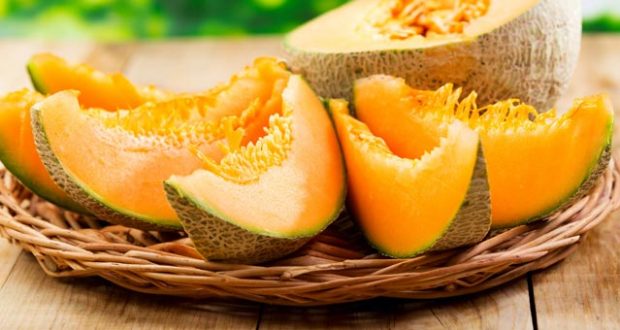
Water content: 90%
Cantaloupe is extremely nutritious and can improve your health in many ways.
One cup (177 grams) of cantaloupe is about 90 percent water and provides over half a cup (118 milliliters) of water per serving.
One cup of cantaloupe also contains 2 grams of fiber, which works along with water to promote fullness and curb appetite.
Additionally, cantaloupe is rich in vitamin A, providing 120% of your daily needs in a 1-cup serving (177 grams).
Studies have shown that vitamin A can improve immune system health, protecting against infections.
You can consume cantaloupe raw or add it to salads, smoothies, yogurt or salsa. It is also a great option for breakfast.
Summary:
Cantaloupe is a healthy fruit that provides a significant amount of water and many health-promoting vitamins and minerals.
4. Peaches
Water content: 89%
Peaches are a very nutritious, dense and moisturizing fruit.
Close to 90% of its weight is water. They also provide several important vitamins and minerals such as vitamin A, vitamin C, B vitamins and potassium.
Plus, eating peaches with the skin on can also contribute disease-fighting antioxidants, like chlorogenic acid, to your diet.
The water and fiber contents of peaches are why they are so filling and low in calories, with just 60 calories in a medium peach.
It’s simple to add peaches to your diet. They are commonly combined with smoothies and salads, and also go well as a complement to cottage cheese and yogurt.
Summary:
Peaches are rich in water, fiber and antioxidants, as well as several vitamins and minerals that can promote hydration and provide many other health benefits.
5. Oranges
Water content: 88%
Oranges are incredibly healthy and can provide you with a number of health benefits.
There’s nearly half a cup (118 ml) of water in an orange, along with fiber and various nutrients.
These include vitamin C and potassium, which can boost immune function and heart health.
Oranges are also rich in disease-fighting antioxidants, including flavonoids, which can prevent cell damage by reducing inflammation.
The water and fiber in oranges can promote feelings of fullness, which is helpful in keeping your appetite in check.
Also, regularly eating citrus fruits like oranges can protect against kidney stones.
This is because the citric acid they contain can bind with calcium oxalate, forming stones, helping to expel it out of the body.
Adequate hydration is another important factor in preventing kidney stones, which the high water content of oranges can help promote.
Summary:
Oranges are a great source of water, fiber, antioxidants and various nutrients and can help prevent kidney stones and various diseases.
6. Skimmed Milk
Water content: 91%
Skimmed milk is very nutritious.
It is composed primarily of water and provides a considerable amount of vitamins and minerals, including vitamin A, calcium, riboflavin, vitamin B12, phosphorus and potassium.
Not only does milk help with general hydration, but it can also help rehydrate after exercise.
Some studies have shown that low-fat milk helped people stay more hydrated after a workout compared to sports drinks or plain water.
This is due in part to milk’s electrolytes and protein content, which can help replace lost body fluids.
As milk is widely available and very inexpensive, it is easy to incorporate into your diet.
Summary:
Milk is rich in water, vitamins and minerals and has been shown to help people maintain adequate hydration, especially after exercise.
7. Cucumber
Water content: 95%
Cucumber is another healthy and hydrating food to include in your diet.
They are composed almost entirely of water and also provide a small amount of some nutrients, such as vitamin K, potassium and magnesium.
Compared to other water-rich vegetables, cucumbers are one of the lowest in calories. There are only 8 calories in a half-cup serving (52 grams), and their water content makes them very refreshing.
You can eat a relatively large serving of cucumbers without adding a significant number of calories to your diet, which is helpful in maintaining your weight.
It’s easy to incorporate cucumbers into your diet. They are commonly added to salads and sandwiches, but can also be included in soups.
Summary:
Cucumbers are high in water but very low in calories. This combination is beneficial for several aspects of your health, including hydration.
8. Lettuce
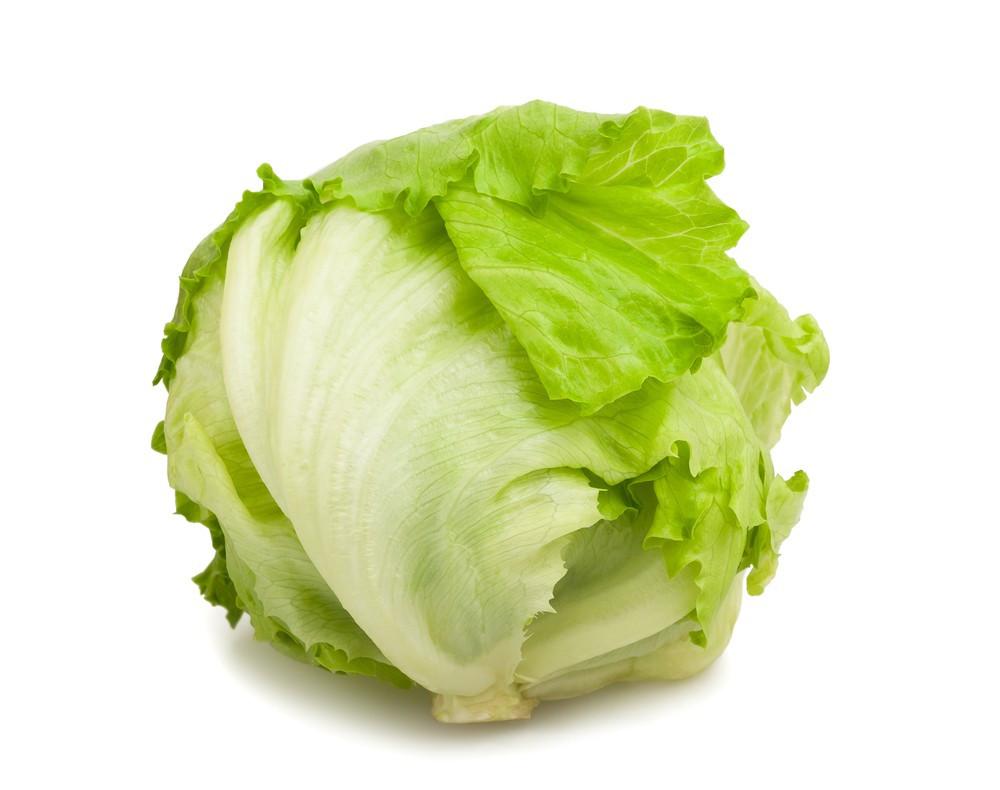
Water content: 96%
Lettuce has several health-promoting properties.
One cup (72 grams) of lettuce provides over a quarter cup (59 ml) of water, plus 1 gram of fiber. It also provides 5% of your daily folate needs.
Folate is important for pregnant women as it can help prevent neural tube birth defects.
Additionally, lettuce is rich in vitamins K and A, both of which have been studied for their role in keeping your bones and immune system healthy.
Plus, the combination of water and fiber in lettuce makes it very filling for a low number of calories. There are only 10 calories in a 1-cup serving (72 grams).
You can easily add lettuce to your diet by using it to make salads. Also, you can use it as a “bread” for hamburgers or wrap other foods.
Summary:
Lettuce provides some important nutrients and fiber, as well as a large amount of water, which can help keep you hydrated.
9. Broths and Soups

Water content: 92%
Broths and soups are usually water-based and have the potential to be very hydrating and nourishing.
For example, 1 cup (240 grams) of chicken stock is made up almost entirely of water, which contributes a decent amount of your daily hydration needs.
Consuming water-rich foods like broths and soups regularly can also promote weight loss due to their low calorie content.
Many studies have found that those who consume soup before the main course eat fewer calories and therefore end up having a lower daily caloric intake.
In one study, participants who ate two servings of low-calorie soups a day ended up losing 50% more weight than those who consumed the same number of calories without consuming soups or broths.
You can significantly increase the nutritional content of broths and soups by adding lots of vegetables such as broccoli, carrots, onions, mushrooms and tomatoes.
Summary:
Broths and soups are high in water and therefore excellent foods to include in your diet to promote hydration.
10. Zucchini
Water content: 94%
Zucchini is a nutritious vegetable that can provide several health benefits.
A 1-cup serving (124 grams) of chopped zucchini contains over 90% water and provides 1 gram of fiber. Both components are great for keeping you satisfied.
And as a result of its high water content, zucchini is reasonably low in calories by volume, with just 20 calories in 1 cup (124 grams).
Eating zucchini will contribute several nutrients to your diet, especially vitamin C, as 1 cup (124 grams) contains 35% of your daily requirements.
Vitamin C is essential for a healthy immune system and can help protect against many diseases.
To include zucchini in your diet, eat it on its own as a side dish or add it to soups, salads and stir-fries.
You can also cut it into strips to create “noodles” that you can use as an alternative to regular noodles.
Summary:
Consuming zucchini will contribute a significant amount of water and nutrients to your diet. This will help keep you hydrated and is beneficial to your overall health.
11. Celery
Water content: 95%
Celery is a very healthy and hydrating food to include in your diet.
It’s made primarily from water, providing about half a cup (118 ml) in a 1-cup serving.
This contributes to its low calorie content of just 16 calories per cup.
Like other water-rich vegetables, celery can be a beneficial food for weight loss due to its high water content and low number of calories.
In addition, celery contains some fiber and many important nutrients.
It is particularly rich in vitamin K and potassium, which may protect against heart disease, certain cancers and bone-related diseases such as osteoporosis.
It is very simple to incorporate celery into your diet, as it can be eaten raw or cooked.
You can add it to soups and salads, or eat celery alongside a healthy dip like hummus or Greek yogurt.
Summary:
Celery is low in calories and an excellent source of water and nutrients. These properties can promote various aspects of your health, including proper hydration.
12. Natural Yogurt

Water content: 88%
Plain yogurt contains lots of water and nutrients that can boost many aspects of your health.
A 1-cup serving (245 grams) of plain yogurt is more than 75% water. It also provides several vitamins and minerals, such as calcium, phosphorus and potassium, which are known to help promote bone health.
Yogurt is also a great source of protein, providing over 8 grams and about 17% of your daily needs in a 1-cup serving (245 grams).
Eating yogurt regularly has been shown to promote weight loss, an effect that is largely due to the appetite-reducing effects of its high water and protein contents.
To reap the full benefits of yogurt, eat plain varieties of yogurt instead of flavored ones.
This is because flavored yogurt typically has more sugar, which should be limited in your diet due to its role in promoting diseases like obesity, heart disease and diabetes.
For example, 1 cup (245 grams) of fruit-flavored yogurt contains 47 grams of sugar, which is more than four times the amount found in the same serving size of plain yogurt.
Summary:
Plain yogurt is an excellent source of water, protein and some important vitamins and minerals. It can provide moisturizing effects along with many other health benefits.
13. Tomatoes
Water content: 94%
Tomatoes have an impressive nutritional profile and can provide many health benefits.
One medium tomato alone provides about half a cup (118 ml) of water.
It also provides a significant amount of vitamins and minerals, including vitamins A and C.
The high amount of water in tomatoes contributes to their low calorie content, with just 32 calories in a 1-cup serving (149 grams).
In addition, tomatoes are rich in fiber and some disease-fighting antioxidants, including lycopene.
Lycopene has been studied for its potential to lower the risk of heart disease and may help prevent the development of prostate cancer.
You can enjoy stewed tomatoes with soups, sauces and many other dishes. They are also often added to salads and used to make salsa.
Summary:
Tomatoes provide a lot of water, nutrients and antioxidants, which are beneficial for hydration and protect against various diseases.
14. Bell pepper
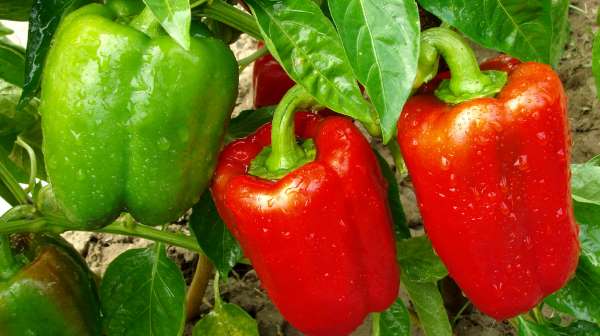
Water content: 92%
Bell peppers are another incredibly healthy vegetable with a variety of health-promoting effects.
More than 90% of the weight of bell peppers comes from water.
They are rich in fiber, vitamins and minerals such as B vitamins and potassium.
Bell peppers also contain carotenoid antioxidants, which may reduce the risk of certain cancers and eye diseases.
Additionally, bell peppers contain the highest amount of vitamin C compared to other fruits and vegetables, providing 317% of your daily needs in just one cup (149 grams).
Vitamin C not only benefits your immune system, it also helps your body absorb iron more effectively, promotes bone health, and protects your cells from the damaging effects of free radicals.
Because of their high water content, bell peppers are very low in calories, providing 46 calories per cup (149 grams).
This means you can eat large portions without feeling like you’ve gone too far.
There are several ways to include bell peppers in your diet. They can be eaten raw in salads or included in sauces. Removing the skin from the bell pepper makes it less indigestible.
Summary:
Bell peppers can provide several health benefits due to the high amount of water and nutrients they contain, especially vitamin C.
15. Cauliflower
Water content: 92%
Cauliflower is an excellent vegetable to include in your diet as it is very nutritious and hydrating.
One cup (100 grams) of cauliflower provides over a cup (59 ml) of water, as well as 3 grams of fiber, which curbs your appetite.
Its high water content contributes to the low number of calories, with just 25 calories per cup.
Furthermore, cauliflower consists of over 15 different vitamins and minerals, including choline, which is not found in many foods.
Choline is an essential nutrient to support brain health and metabolism.
You can use cauliflower as a substitute for less hydrating grains by finely chopping it into “rice” or using it to make a cauliflower-based pizza crust.
Summary:
Cauliflower provides a significant amount of water, fiber and nutrients, and is a good substitute for grains that are less hydrating.
16. Cabbage
Water content: 92%
Cabbage is an impressively healthy vegetable.
It is very low in calories but high in fiber and nutrients. It is also rich in vitamin C, vitamin K, folate and several minerals that may have a variety of health-promoting effects.
For example, vitamin C is well known for its role in reducing inflammation and has been shown to lower the risk of chronic diseases such as diabetes and heart disease.
Additionally, cabbage provides glucosinolates, which are antioxidants that help protect against certain cancers, such as lung cancer.
Summary:
Eating cabbage can help several aspects of your health, including hydration. This is due to its water, nutrient and antioxidant content.
17. Grapefruit
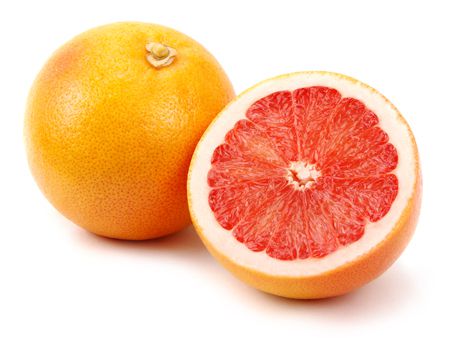
Water content: 88%
Grapefruit is an exceptionally healthy citrus fruit with many health benefits.
In half a grapefruit (123 grams), there is about half a cup (118 grams) of water, which contributes a decent amount of water to your daily hydration needs.
Additionally, grapefruit is rich in fiber, antioxidants, and several vitamins and minerals, including vitamin A, potassium, and folate.
It’s especially rich in immune-boosting vitamin C, providing 120% of your daily needs in half a grapefruit (123 grams).
Several studies have shown that including grapefruit in your diet can help boost weight loss as well as lower cholesterol, blood pressure and blood sugar levels.
You can easily include grapefruit in your diet by eating it raw, mixing it with smoothies or adding it to salads.
Summary:
Grapefruit can promote hydration due to its high water content. It is also rich in nutrients and antioxidants that can have several health benefits.
18. Coconut Water
Water content: 95%
Coconut water is a super healthy drink that will keep you hydrated.
Not only does it have a very high water content, but it is also rich in electrolytes, including potassium, sodium and chloride.
Studies have shown that coconut water can be beneficial for rehydration. And it is believed to be useful for exercise recovery due to its electrolyte content.
Drinking coconut water after exercising is a much healthier option than drinking a manufactured sports drink, as many sports drinks are loaded with added sugar and other unhealthy ingredients.
For example, a 1-cup (237 ml) serving of Gatorade provides 13 grams of sugar, 50% more than the same amount of coconut water.
Summary:
Drinking coconut water is especially helpful for hydration because it is rich in water and electrolytes.
19. Cottage cheese

Water content: 80%
Cottage cheese is another healthy and nutritious dairy product with moisturizing properties.
About 80% of the weight of cottage cheese comes from water.
It also contains 25 grams of protein per 1-cup serving (225 grams), which is 50% of your daily needs.
Its high water and protein contents are the main reason why it is such a good food that can help curb your appetite.
Plus, cottage cheese has an impressive nutritional profile, providing 36% of your daily phosphorus needs, 19% calcium and 31% selenium in just 1 cup (225 grams).
Additionally, cottage cheese is a great source of B vitamins, including riboflavin and vitamin B12, which are necessary for brain health, metabolism, and maintaining healthy bones.
It’s easy to incorporate cottage cheese into your diet. You can mix it with fruit, add it to salads, or eat it with an omelette.
Summary:
Cottage cheese contains a lot of water and protein, as well as vitamins and minerals that can have health benefits.
Conclusion
Staying hydrated is extremely important for your overall health.
Health experts often recommend drinking several glasses of water a day to meet your hydration needs, but the water content of food is often overlooked.
While drinking water is important, you can consume a significant amount of water by including a variety of water-rich fruits, vegetables and dairy products in your diet.
That’s why most people don’t need to drink a lot of water.
As long as you’re eating lots of water-rich foods and drinking water when you’re thirsty, you should have no problem staying hydrated.