Why eating bread is not good for you
Bread consumption can be just as harmful as excess sugar, so if you don’t want to stop eating it, you should opt for healthier alternatives.
In recent years, notices warning about regular bread consumption have increased. Despite the fact that eating bread has been part of the human diet since ancient times, today there are many reasons to avoid it.
The basic recipe is made with refined wheat flour, water and salt; That, added to the preservatives added by some industries, doesn’t make it the best option on a nutritional level.
In fact, due to its high carbohydrate content, it is not recommended as part of our diet, especially if our goal is to lose weight. Eating bread every day can make you overweight and cause other metabolic diseases.
Are there more reasons to limit bread consumption? Clear! Although it is harmless to eat it in small portions, excessive consumption of bread can cause various negative reactions in the body.
Find out why!
Bread and its low nutritional quality

Bread, especially the industrial white kind, is not a nutritious food. Wheat, during the refining process, loses many of its properties, since the wheat germ and bran are removed.
The result is a product with a low fiber, vitamin and mineral content which, due to its high concentration of starch, can hinder digestion and metabolism.
While it’s not right to eliminate all carbohydrates from food, flour sources like bread are probably the worst option.
It contains a lot of sodium
Excessive consumption of sodium can lead to some health complications. The most worrying thing is that more than 77% of the amount ingested comes from processed foods, among which bread is included.
This refined food can come with added phosphate and sodium bicarbonate, which in excess can cause fluid retention and high blood pressure.
- Industrial white bread can contain up to 19 grams of salt per kilogram, which is equivalent to about 4.7 grams per 250 gram bar.
- The maximum dose of salt, according to data from the World Health Organization (WHO), is 5 grams per person per day.
It has a high glycemic index
White bread is a fast-burning food with a high glycemic index. This means that because it is not being used properly as an energy source, it lowers insulin and produces high blood sugar spikes.
Its effects on the body are compared to those produced by white sugar: it raises glucose, affects the functions of the pancreas and affects metabolic disorders such as diabetes mellitus and causing overweight.
Bread contains a lot of gluten
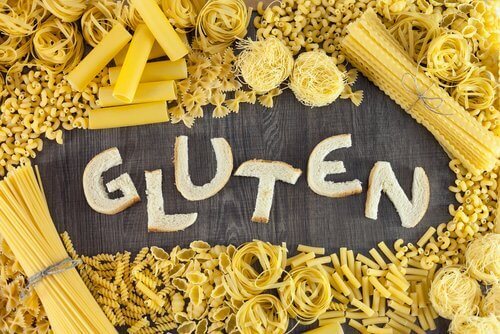
The wheat from which bread is made contains a lot of gluten. This mixture of proteins facilitates the fermentation of foods, making them more elastic, spongy and appetizing.
The problem is that many people have a sensitive digestive system that cannot properly process gluten.
Gluten intolerance or celiac disease causes abdominal pain, diarrhea, gastroesophageal reflux and inflammatory conditions.
How can you reduce your bread consumption?
Cutting bread can be difficult for those who often incorporate it in various ways into their regular diet. However, considering the risks involved, it’s good to start taking some steps to minimize consumption.
Even the healthy bread sold in the supermarket can be a significant source of calories if consumption is not moderate. For this reason, it’s best to look for other sources of carbohydrates to replace bread in your diet.
There are many alternative recipes to avoid refined flours in traditional recipes. Wrapping sandwiches with green vegetables or making pizzas with cauliflower crust are some examples.
Look for options made with 100% whole wheat flour
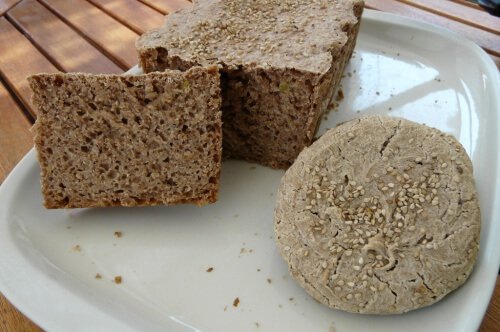
Breads made with whole wheat contain more properties and nutrients than white bread can offer. While it’s usually a little more expensive, it’s a healthy option to regularly incorporate into your diet.
But be careful… there are some breads that are not 100% whole grain. It is important to check labels to determine if they have this property in full or if they are combined with refined flour.
Avoid the bread basket
There are many restaurants that serve bread baskets as an accompaniment to their meals. To avoid consumption, an ideal option would be to ask the waiter not to leave it on the table.
How often do you consume bread? What variety do you choose? Now that you know the negative effects, try to find other healthier foods to replace it.